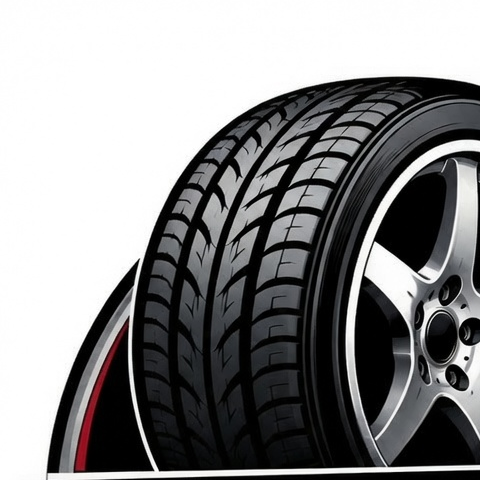
Winter tires vs all-season in Ohio
All-seasons are a compromise. Winter tires are a specialist tool. Which one you need depends on how and where you drive — not a slogan.
When all-seasons are enough
If you mostly drive plowed main roads, keep good tread, and avoid the worst storm days, a quality all-season set can cover most of the year. “All-season” still means worn tread is dangerous in rain and snow. Replacing bald tires beats debating compounds.
When winter tires earn their keep
- Early or late shifts on untreated side streets
- Hills, lake-effect snow, or frequent I-90 / I-271 runs in storms
- Drivers who cannot wait for the salt trucks
- Vehicles that feel nervous in cold, low-grip weather even with “OK” tread
Winter rubber stays softer in the cold and bites snow better. It is not magic — it is chemistry and siping. Summer or performance all-seasons get hard and slippery when temperatures drop.
Storage and swap strategy
Many drivers run winter tires on a second set of wheels for easy seasonal swaps. We can mount and balance either way. Label the tires by position when you swap so wear stays even.
Shop-floor bottom line
If your current tires are due anyway, talk through all-season vs winter before you buy. Buying the wrong set “on sale” still costs more if you replace them early. Bring the vehicle in — we will measure what you have and map options to your commute.
Get a straight answer for your car
Lee Discount Tire & Rim · 3800 Lee Rd, Cleveland
Call (216) 400-7153 Our services